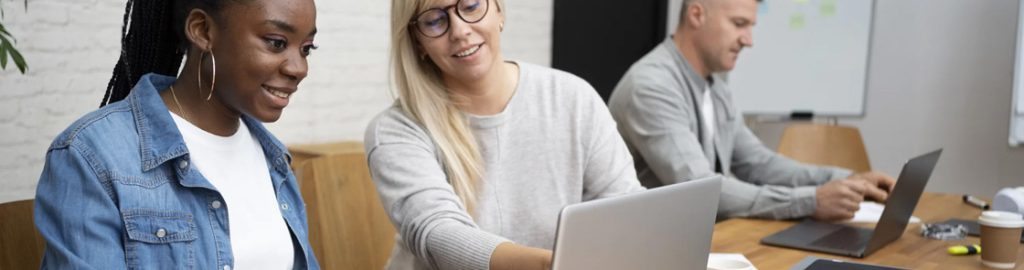
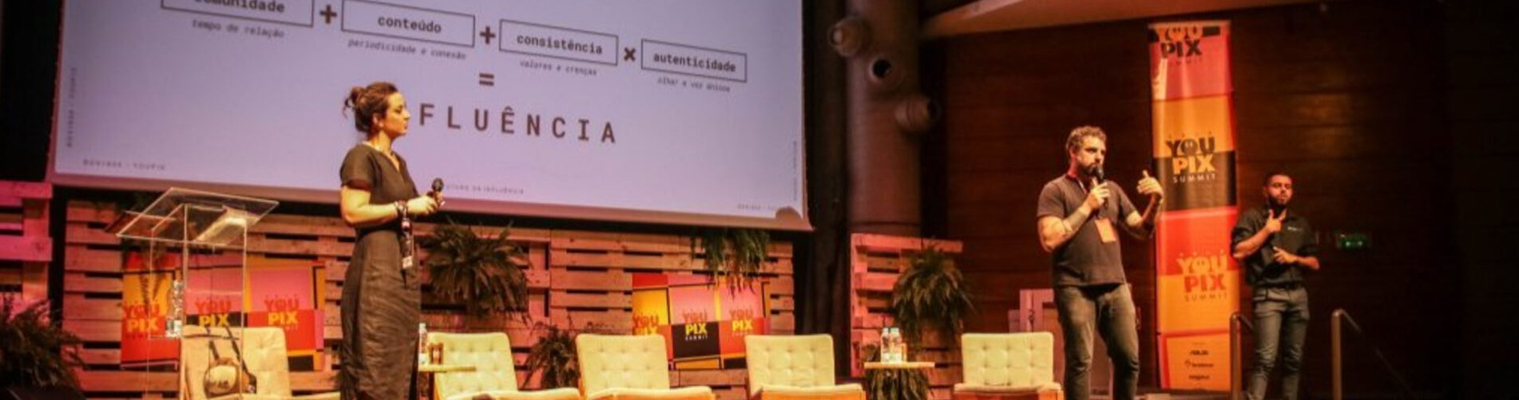
9:30 a.m. I prepare a cup of coffee, stretch, grab a notepad, and stare at the screen in shades of black and pink that reads: “YOUPIX Summit 2022. Starting soon.” I wait eagerly, scanning the schedule once again, packed with topics that have come up in conversations with my colleagues and clients countless times throughout the year. First, I have to make a decision: where should I start? There are two stages – one, the Keynote Stage, led by YouPix CEO Bia Granja, where trends and the future of the Creator Economy would be discussed. The other, the How to Stage, led by partner and Head of Planning Rafa Lotto, focused on practical applications, packed with case studies and methodologies to help professionals in the field develop their work.
I open two screens and set out to play a solo game of musical chairs between the topics covered on each stage. The result of this dance is compiled into six highlights of what has been driving the influencer marketing industry over the past year. Shall we take a look?
#1: The Metaverse Era
It’s no coincidence that the topic is generating so much hype: 70% of influencers in the US believe the Metaverse will replace social media. There are already many trends behind this topic, and during the five panels covering the subject, we heard about how this universe is taking its first steps toward something big – it is expected to reach one billion people over the next 10 years. For now, we already have a few tools at our disposal – the creation of avatars for brands and influencers and virtual reality filters in stories give us an idea of what to expect.
-
For those who want to venture into the age of avatars, here are some of the most successful profiles to check out: Lu from Magalu, Satiko from Sabrina Sato, and Nobody Sausage.
#2: Invest in Frequency!
One-off initiatives need to be reconsidered. An exclusive study conducted by YOUPIX in partnership with Nielsen showed that a series of influencer activations improves brand results. With each new piece of content published by an influencer, awareness, purchase intention, and credibility indicators improve. This finding only reinforces how important storytelling is – we need to create stories that go beyond one post and three stories.
#3: More Than Influencers, CEOs
Sponsored posts and brand partnerships are influencers’ main sources of income. But beyond influencing, the trend is toward entrepreneurship. Creators are becoming CEOs of their own brands as they seek independence from the traditional standards of this market and recognize their ability to personify a company.
And there are other ways to expand business opportunities even further. The Influencer for Equity movement is emerging, in which influencers acquire shares in partner companies in exchange for ongoing content production. One example is influencer Juju Norremose, who became a partner in Haoma, a brand of healthier chocolates with which she had already collaborated. The “marriage” was successful and helped triple the company’s sales.
-
Another trend to watch: influencers becoming brand advisors, as recently announced by Bianca Andrade and Itaú.
#4: Short Videos Are Having Their Moment!
It’s no secret that short videos have taken over social media. And more information about the format of the moment was revealed through an exclusive study presented by YOUPIX in partnership with NiceHouse.
It became clear that brands and influencers share a common goal: going viral. And although 72% of creators say that at least one short video they produced has gone viral, almost half of them only achieve up to 5,000 views per video. The problem may be that nearly 54% of short-video jobs are not part of a larger campaign, which brings us back to insight #2 – frequency makes all the difference!
-
It’s worth keeping an eye on the brands most remembered for using this format: Sallve, Bis, and Samsung.
#5: Creators with Disabilities Call for Inclusion
Many influencers with disabilities, such as Pequena Lo and Ana Clara Moniz, have stood out on social media in recent years and shown that representation of people with disabilities is an issue that needs greater attention. In an exclusive panel, Tambor.biz discussed Brazil’s first study on creators with disabilities and revealed that 60.7% of them had never participated in paid brand campaigns, while 74% had experienced accessibility problems in some aspect of their work.
The takeaway: influencers with disabilities want and need to be seen beyond awareness dates dedicated to people with disabilities. Shall we commit to that?
#6: About the “Make Instagram Instagram Again” Movement. Spoiler: It’s Not Going to Happen
Although many users and content creators are #upset about the changes to the social network, Instagram is not going back to the way it was. Changes happen, and what we need to do is choose: adapt or move to another platform?
Whatever the choice, one thing remains unchanged – creators who persevere are those who are open to reinventing themselves, understanding that it’s impossible to remain relevant all the time.
Yes, this market is constantly evolving, and we still have a lot to discuss and learn. Sometimes, navigating these turbulent waters can seem complicated. So you can count on us to help you make sense of the best influencer marketing strategies for your brand. Get in touch – we’re ready to help!
7:40 p.m. The day comes to an end. Sitting in that same chair, I stretch one last time and close my laptop. This time, I look over my notes and sigh with relief: “How did I manage to reflect on an entire year’s worth of topics in just 10 hours?” The feeling is one of mission accomplished, but only for that day. The following morning, new challenges await me – but they’d better be ready, because now I’m armed with so much more information.
Beatriz Belangier